Marvel Rivals Comic Tie-Ins Continue to Reshape Marvel's Heroes
Marvel Rivals arrived on December 6, 2024, as a free-to-play third-person shooter from NetEase Games, and it quickly became more than another licensed multiplayer title. Built in Unreal Engine 5 and rated T for Teen, the game turned Marvel's heroes and villains into stylish, team-based fighters. By 2026, its launch window is long past, but its influence still echoes through Marvel Comics. One of the clearest signs of that influence was a series of variant covers that placed the game's colorful cast onto comic book shelves throughout 2025. What happens when a video game's visual language becomes so popular that it spills onto the printed page? For Marvel, the answer was a deliberate crossover campaign that celebrated the game and introduced readers to its reimagined heroes.
A Second Wave of Marvel Rivals Variant Covers
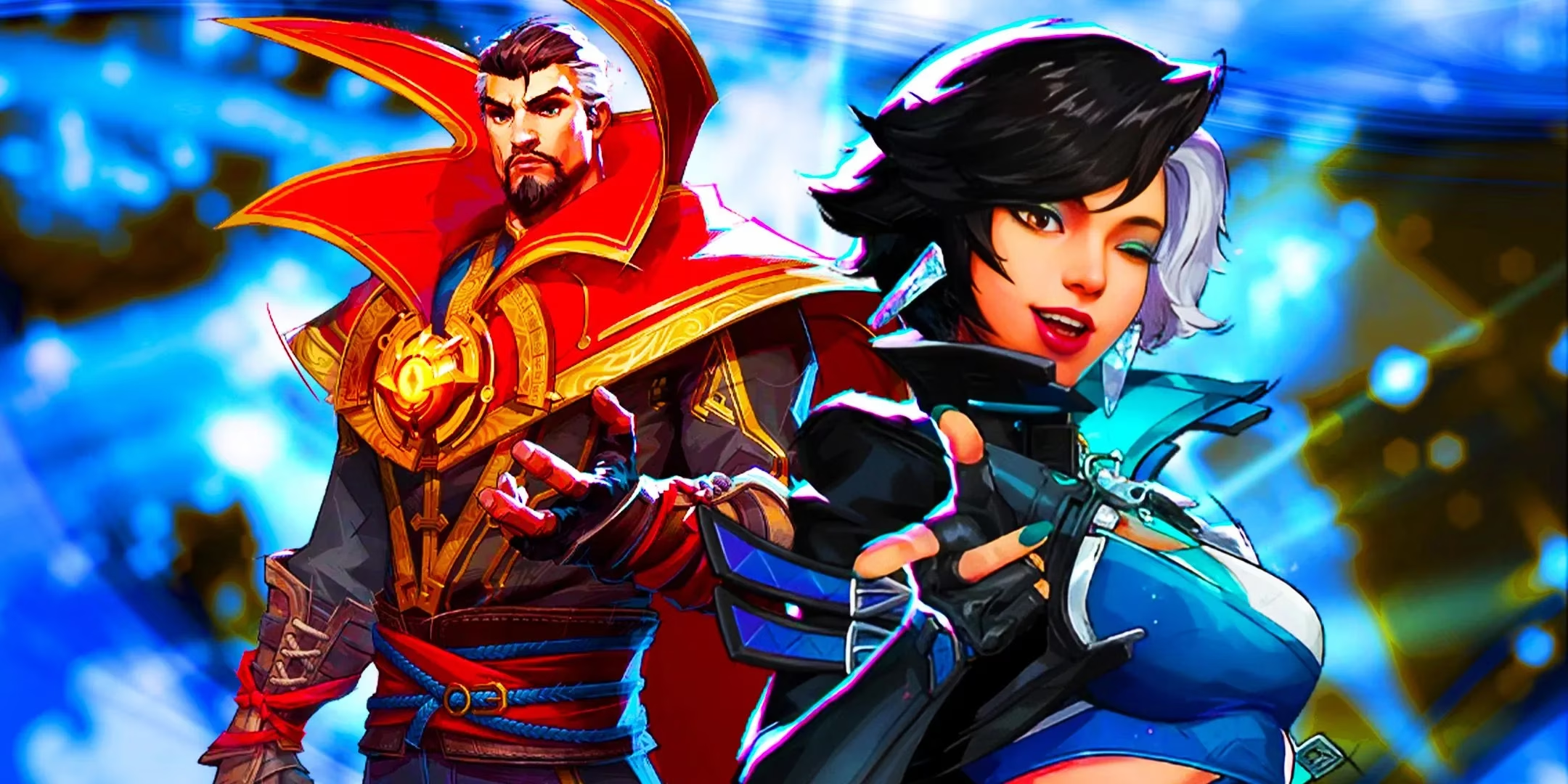
AIPT revealed that Marvel Comics would expand its Marvel Rivals variant cover program with a second batch in March 2025. The first collection had already arrived in January 2025, spotlighting heroes such as Spider-Man, Storm, Venom, and Magik. Acclaimed artist Peach Momoko also contributed artwork of Galacta. The follow-up wave focused on characters who had been left out of that initial round, giving them a chance to shine in their video game appearances.
The March 2025 lineup included:
| Comic Issue | Featured Marvel Rivals Character(s) |
|---|---|
| Doctor Strange of Asgard #1 | Doctor Strange |
| Moon Knight: Fist of Khonshu #6 | Moon Knight |
| One World Under Doom #2 | Doctor Doom |
| Amazing Spider-Man #69 | Peni Parker and SP//dr |
| Immortal Thor #21 | Loki and Hela |
Marvel Comics also announced that additional March 2025 variants would feature characters such as Psylocke, the Hulk, and Luna Snow, though the artwork had not yet been unveiled at the time. The message was clear: the entire Marvel Rivals roster had the potential to leap from the screen to the page. From Doctor Doom to Loki, the covers gave beloved heroes and villains a much-needed focus in both the game and the comics.
Why the Covers Mattered
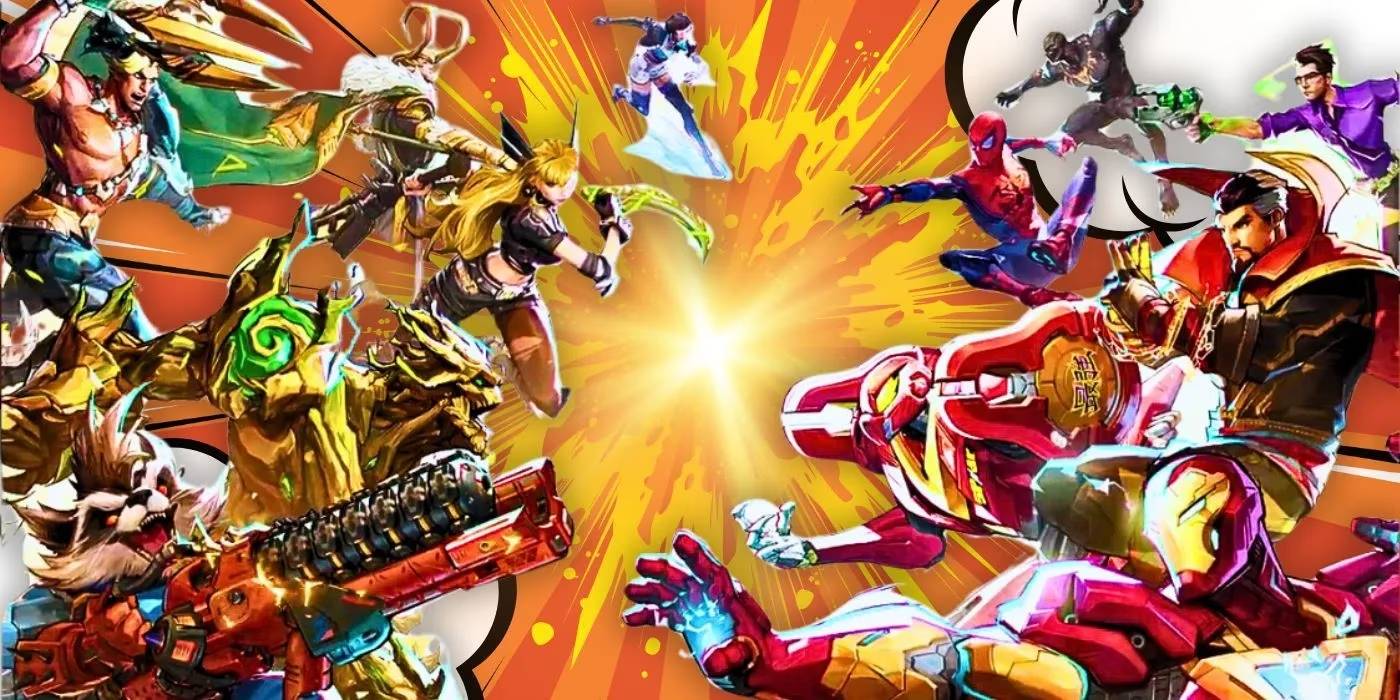
Marvel Rivals has propelled numerous characters to new levels of popularity. Some, like Luna Snow, were already part of Marvel's comic history but reached a wider audience through the game. Others, such as Peni Parker and her SP//dr mech suit, benefited from the game's distinctive art direction. The variant covers took advantage of that fame by exposing comic readers to the characters' epic new looks. In a sense, the covers acted as a bridge: they invited players to visit their local comic shop and gave longtime readers a fresh visual take on familiar icons.
The timing was also significant. The January 2025 covers had proven that there was demand for Marvel Rivals artwork in print. The March 2025 expansion built on that momentum. It was not simply a marketing stunt; it was a recognition that the game's designs had become part of the broader Marvel aesthetic. Why else would Marvel devote prime variant cover slots to characters like Doctor Strange, Moon Knight, and Hela? The answer lies in the game's ability to make old characters feel new again.
More Than Variant Covers
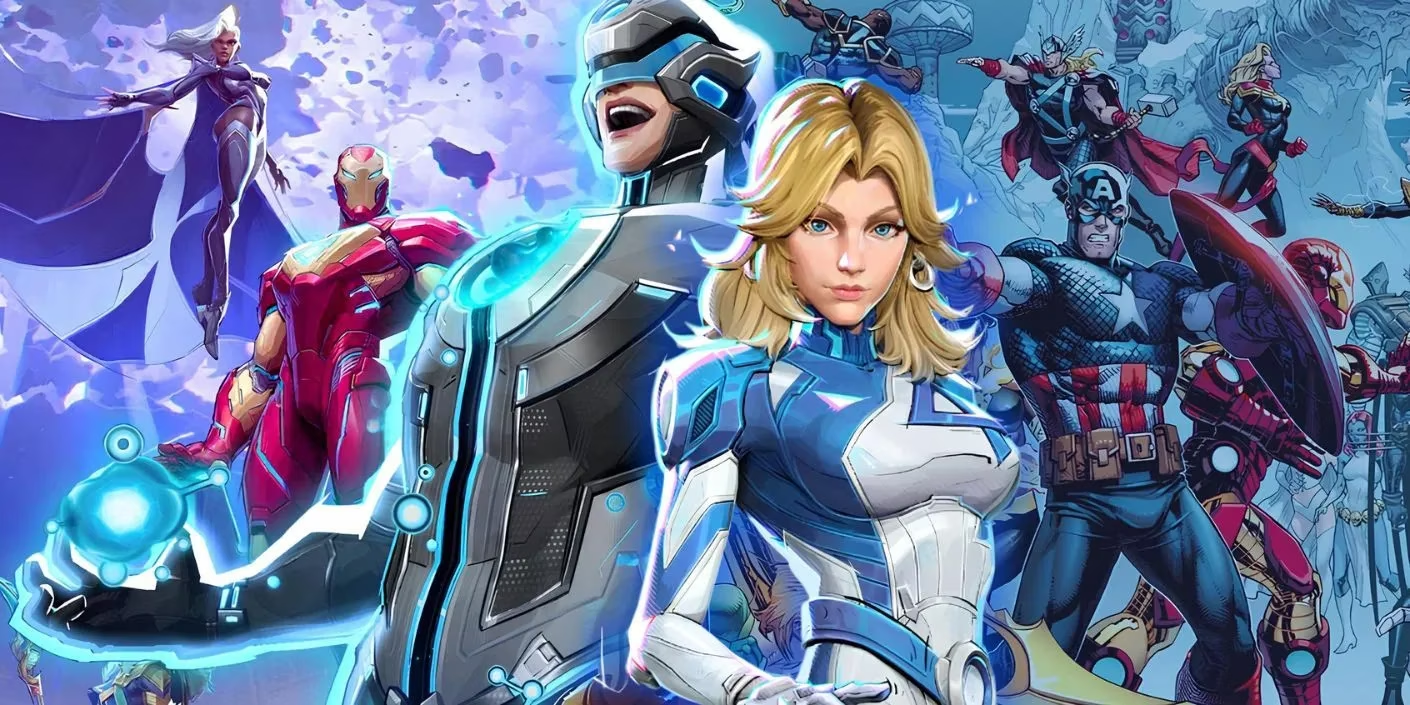
The comic expansion was not limited to variant covers. Paul Allor and Luca Claretti's Marvel Rivals Infinity Comic miniseries received a physical release in April 2025. Marvel Comics also announced that the game's version of the Fantastic Four would soon get their own stories told. Those developments showed that Marvel Rivals was not content to remain a single medium. From variant covers to actual comics, the game was transcending mediums thanks to its innovative takes on classic characters.
By 2026, these releases are no longer upcoming items; they are part of Marvel's recent publishing history. Yet their significance remains. They demonstrated that a successful video game can feed back into comics, rather than simply drawing from them. The physical release of the Infinity Comic miniseries gave collectors a tangible piece of the crossover. The Fantastic Four stories promised to deepen the game's lore. And the variant covers preserved a moment when Marvel Rivals' visual identity was celebrated across the industry.
A Lasting Crossover
Marvel Rivals launched with strong critical attention. It holds an 8/10 rating on some platforms and an 8.2/10 on others, with an OpenCritic Top Critic Average of 78 and an 84% critic recommendation rate. It supports online multiplayer and online co-op, with limited cross-platform play: console crossplay is available, but PC crossplay is not. Those details matter because they explain the game's reach. A broad player base, spanning consoles and PC, helped make the characters recognizable far beyond the comic-reading audience.
As 2026 unfolds, the question is no longer whether Marvel Rivals could cross over into comics. It already did. The more interesting question is what comes next. Will more characters receive variant covers? Will the game's Fantastic Four stories lead to ongoing series? Will future Marvel games follow the same playbook? If the 2025 variant cover campaign proved anything, it is that Marvel is willing to let its games shape its publishing line.
For now, the Marvel Rivals comic tie-ins stand as a vibrant example of synergy done right. They celebrated the game, honored the characters, and gave readers a reason to look twice at both the screen and the page. 🎮📚🦸♂️
This discussion is informed by aggregated critical consensus data available through OpenCritic, helping contextualize how Marvel Rivals’ reception and broad visibility can translate into cross-media momentum—like Marvel’s 2025 wave of variant covers that leveraged the game’s standout character redesigns to attract both players and long-time comic readers.
Comments