Marvel Rivals Season 3 Embraces Shorter Seasons, Dual Themes with Phoenix and Symbiote Content
NetEase's Marvel Rivals continues to solidify its reputation as a live-service hero shooter willing to rapidly evolve. As of 2026, the game has demonstrated a clear commitment to iterative design, actively adjusting its content delivery based on community feedback and shifting industry standards. A prime example of this philosophy is the structural shift implemented with Season 3 and maintained since, moving from a three-month seasonal model to a more condensed two-month cycle. This change was designed to combat the potential for lengthy, stagnant periods between major content drops, ensuring a more consistent and engaging pace for its player base.
The decision to shorten seasons, while carrying its own set of challenges, has been largely agreeable. The two-month duration for Season 3, which introduced the playable heroes Blade and Jean Grey as Phoenix, alongside the brand-new Klyntar map, set a new precedent. This framework allows the development team to package content around compelling, dual-thematic narratives. Season 3 masterfully blended a Phoenix theme with a Klyntar/Symbiote theme, a combination that provided a rich and varied aesthetic experience throughout its run.
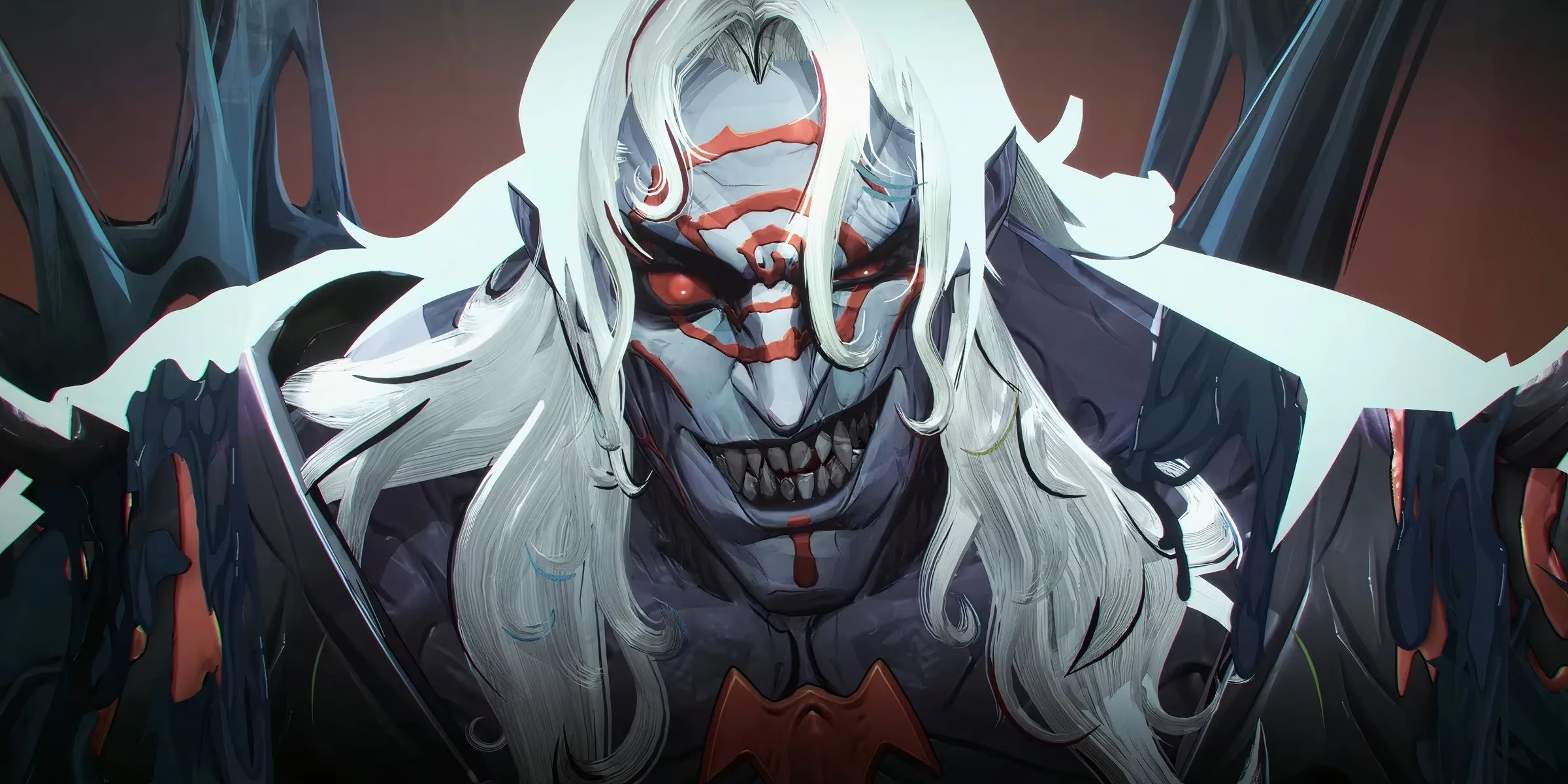
This thematic duality proved to be a successful formula. It allowed for a satisfying blend of lore and visual design, regardless of which new characters debuted. For instance, Jean Grey's Phoenix debut naturally anchored its respective theme, while the Symbiote threat, spearheaded by the iconic villain Knull within the ongoing 'Timestream Entanglement' narrative, offered a stark, contrasting visual and story beat. Blade's inclusion, though not directly tied to either theme, showcased that new characters could complement the season's atmosphere without being strictly bound to its central motifs.
The cosmetic rollout in Season 3 exemplified this dual-theme approach perfectly. The Season 3 BattlePass, titled 'Power of the Phoenix,' featured a mix of costumes from both themes right on its cover:
-
Symbiote-Themed: Rocket Raccoon, Jeff the Land Shark, and Squirrel Girl.
-
Phoenix-Themed: Emma Frost.
Additional costumes, like Captain America's 'Captain Klyntar' skin, were made available through in-game stores and events, ensuring a steady stream of thematic content. This model of delivering two distinct aesthetic packages within a single season has provided players with more frequent visual variety and collection goals.
Looking at the post-Season 3 landscape, the two-month seasonal structure has become the game's reliable heartbeat. It dictates a predictable yet brisk pace for content, which includes:
-
Two new playable characters per season.
-
A new map or significant map variant.
-
Dual, intertwined thematic narratives for cosmetics and events.
-
A curated BattlePass and limited-time events (akin to 'Combat Chest' events) designed to be completed within the shorter timeframe.
The density of the BattlePass and the number of collectible Gallery Card serial panels are carefully calibrated for this duration. The goal is to create a season that feels substantial and rewarding without overstaying its welcome or becoming a grind. This balance is crucial for player retention and satisfaction in the competitive live-service market of 2026.
Ultimately, Marvel Rivals' willingness to adapt its seasonal model highlights a developer in tune with modern player expectations. The shift to shorter, thematically dense seasons has allowed for more frequent meta-shakes with new heroes, faster environmental variety with new maps, and a narrative that feels constantly in motion. By embracing dual themes like Phoenix and Symbiote, the game creates a cohesive yet diverse experience that celebrates the vast and eclectic nature of the Marvel universe itself. As the Timestream Entanglement story continues to unfold, this flexible and iterative framework ensures that Marvel Rivals remains a dynamic and ever-evolving battlefield for its heroes and villains.
Comments