Marvel Rivals' Spring Festival and the Blueprint for Relentless Live-Service Updates
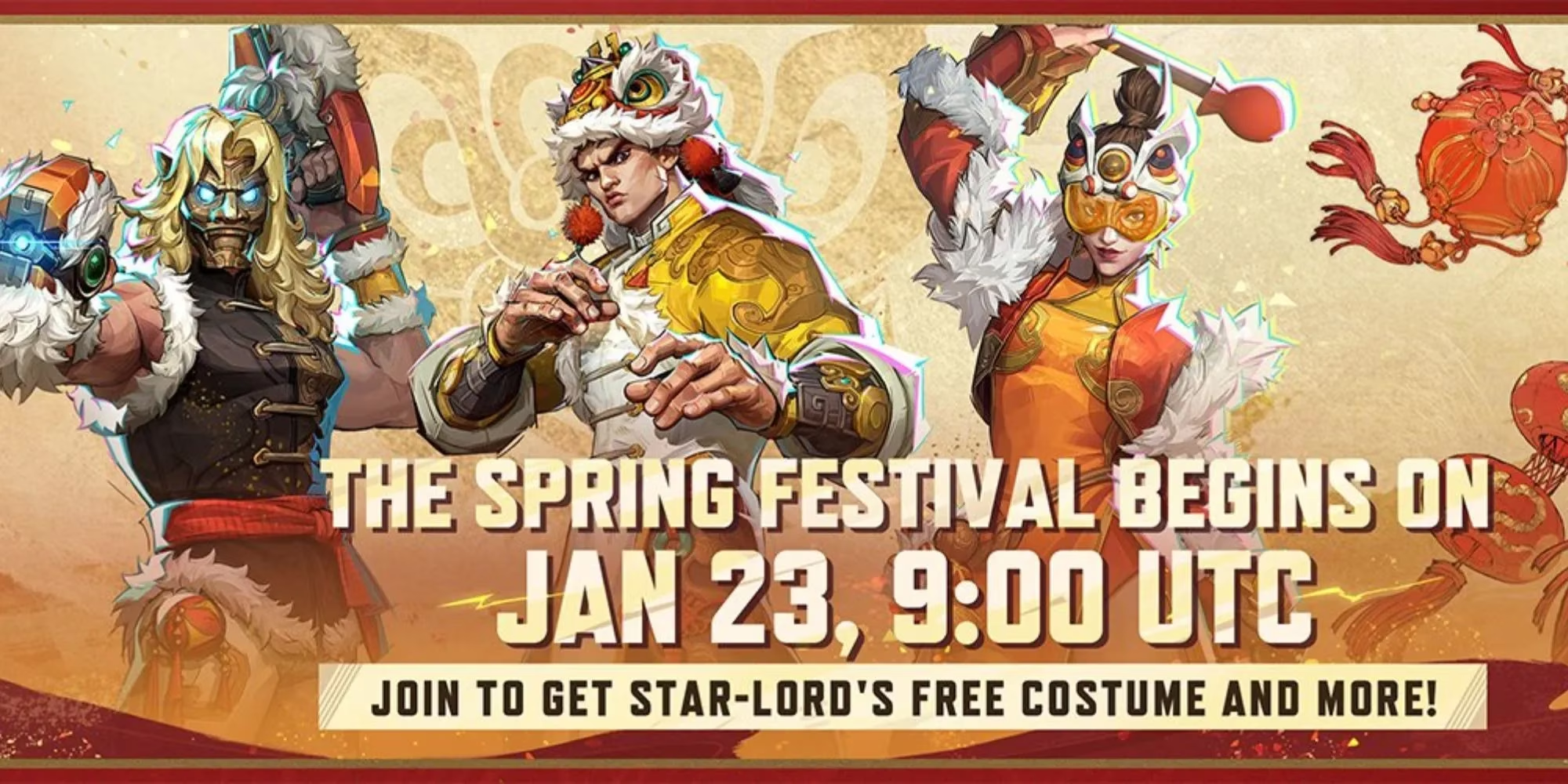
Marvel Rivals' 2025 Spring Festival arrived on January 23 as a limited-time seasonal event during Season 1. By 2026, the event is no longer live, but it remains a revealing case study in NetEase's approach to live-service content. The celebration combined a playful new mode, personalization rewards, a free costume for Star-Lord, and a broader promise that the hero shooter would keep moving quickly. For a game built on comic-book spectacle and team-based competition, the Spring Festival showed how seasonal events could soften the competitive edge with lighter, community-focused experiences.
A Festival Built Around Movement and Mischief
The centerpiece was Clash of Dancing Lions, a limited-time game mode that moved away from the standard team-shooter format. Based on the event's trailer, the mode more closely resembled a game of soccer than the tactical hero combat associated with Marvel Rivals. Observers quickly noted a resemblance to Overwatch's Lucioball, another example of a shooter temporarily transforming into a movement-driven, ball-focused contest. The mode gave players a reason to return during the festival window and offered a break from ranked pressure and conventional role coordination.
Beyond the mode, the Spring Festival included a Gallery Card customization event. Players could engage with personalization options tied to the celebration, while new nameplates and other cosmetic goodies rounded out the rewards. Star-Lord fans had a particularly clear incentive: a new free costume could be unlocked. NetEase teased that there would be much more to discover once the event began, and the overall package fit the seasonal model of mixing a novel activity with collectible rewards.
At the time of its announcement, an end date for the Marvel Rivals Spring Festival was not available. In 2026, that detail is less important than what the event represented: a live-service team testing how quickly it could layer limited-time content onto a young game without disrupting its core identity.
Season 1 and the Six-Week Hero Promise
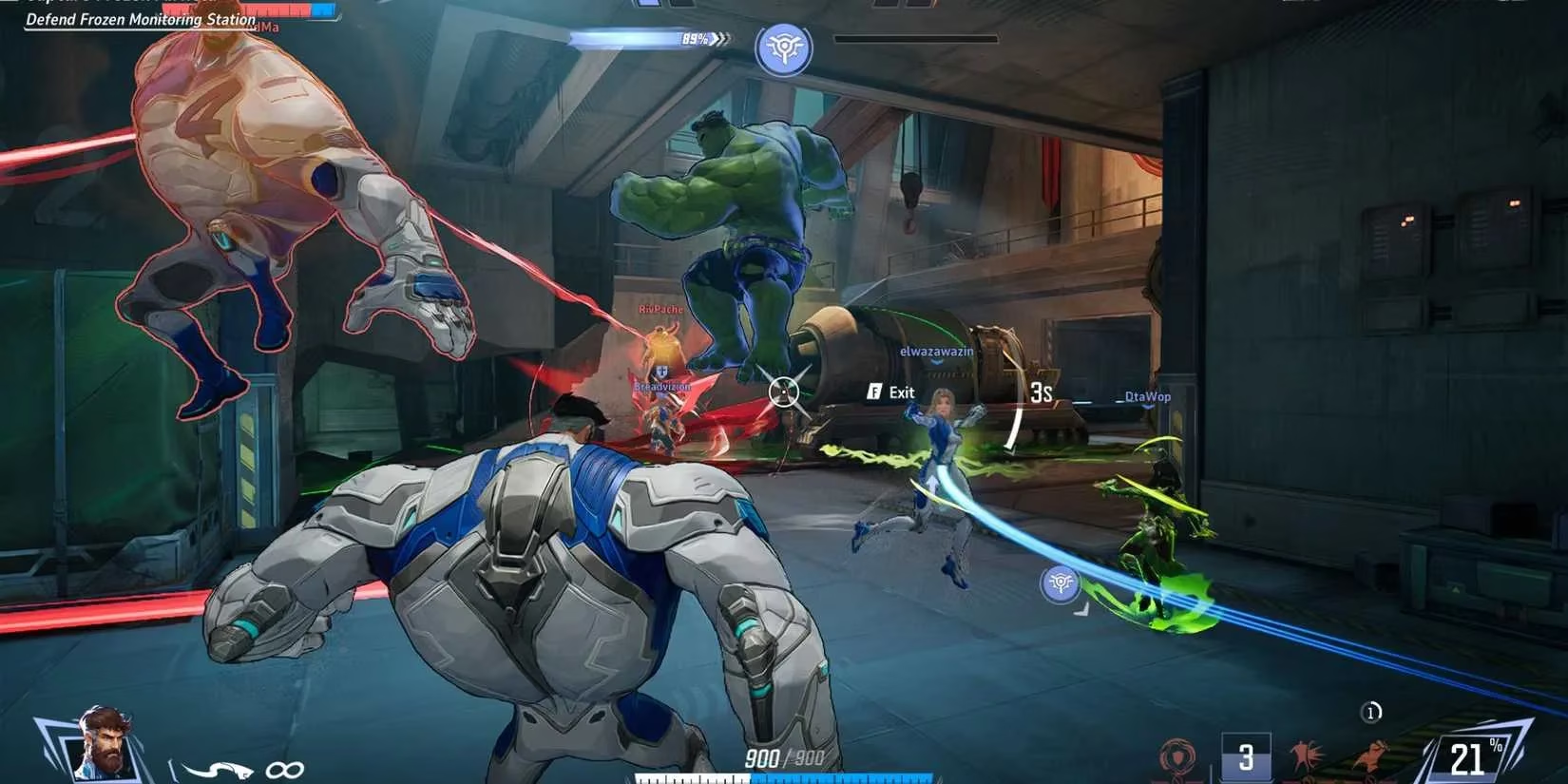
The Spring Festival did not exist in isolation. It arrived during a busy Season 1 period that had already introduced Invisible Woman and Mister Fantastic. NetEase made clear that free content updates would not slow down. Human Torch and The Thing were planned for the near future, specifically the middle of Season 1. The company also confirmed that it wanted to add at least one new hero to the game every six weeks.
That cadence was central to NetEase's strategy. Marvel Rivals game director Guangyun Chen framed the goal around player experience, saying that it was all about creating a good experience for players. The statement was simple, but it aligned with a broader pattern: new heroes, seasonal events, and skins were meant to keep the community excited and engaged.
The previous December had already shown the same rhythm through the Winter Celebration, which included a limited-time event and customization rewards. By early 2025, NetEase appeared to be prioritizing a steady flow of heroes, rewards, and events. At the time, Marvel Rivals continued to enjoy a healthy player base nearly two months after launch, suggesting that the cadence was resonating with players.
Why the Spring Festival Still Matters in 2026
For players looking back in 2026, the Spring Festival is best understood as an early expression of Marvel Rivals' content philosophy. It was not just a holiday skin drop. It was a coordinated bundle of mode experimentation, cosmetic progression, and hero-driven excitement. The event showed that NetEase was willing to use seasonal moments to diversify play, even if only temporarily.
| Element | What it offered | Why it mattered |
|---|---|---|
| Clash of Dancing Lions | A soccer-like limited-time mode | Gave the shooter a playful alternative rhythm |
| Gallery Card customization | A personalization-focused event | Encouraged self-expression beyond combat |
| Star-Lord costume | A free unlockable look | Rewarded fans of a marquee hero |
| Nameplates and extras | Additional cosmetic rewards | Supported long-term engagement |
| Six-week hero goal | A promised content cadence | Signaled confidence in the live-service roadmap |
🙌 The event also demonstrated how Marvel Rivals could use limited-time content to bridge the gap between major hero releases. In a competitive genre, retention depends on more than balance patches. Seasonal modes, free cosmetics, and clear communication about future heroes all contribute to a sense of momentum. The Spring Festival checked those boxes with a comic-book flavor that felt distinct from a standard shooter event.
⚡ In 2026, the live-service landscape is more crowded and players expect transparent roadmaps and frequent reasons to return. The Spring Festival remains relevant as a historical marker because it captured NetEase's early intent: keep the community excited with new heroes, events, and skins, while ensuring that the game's core experience continues to receive attention. The event may be over, but its lesson endures. For Marvel Rivals, seasonal spectacle works best when it supports a reliable content engine rather than replacing one.
🎮 The Spring Festival ultimately reads as a snapshot of a game learning how to pace itself. It paired a lighthearted mode with meaningful personalization, attached a free costume to a popular hero, and sat alongside a hero-release schedule designed to maintain conversation. That combination helped define the rhythm that players would come to associate with Marvel Rivals' live-service ambitions.
Comments